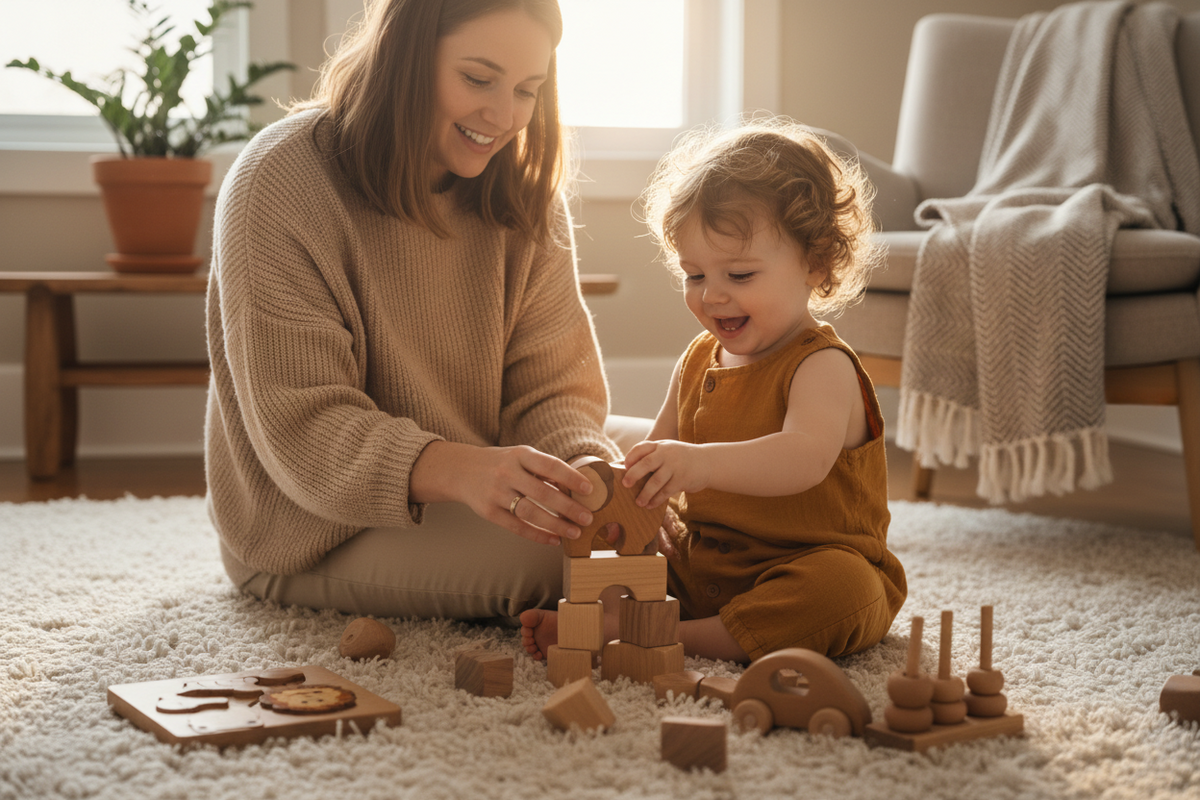
Article: What Is Focused Play? A Calmer Way to Help Children Learn
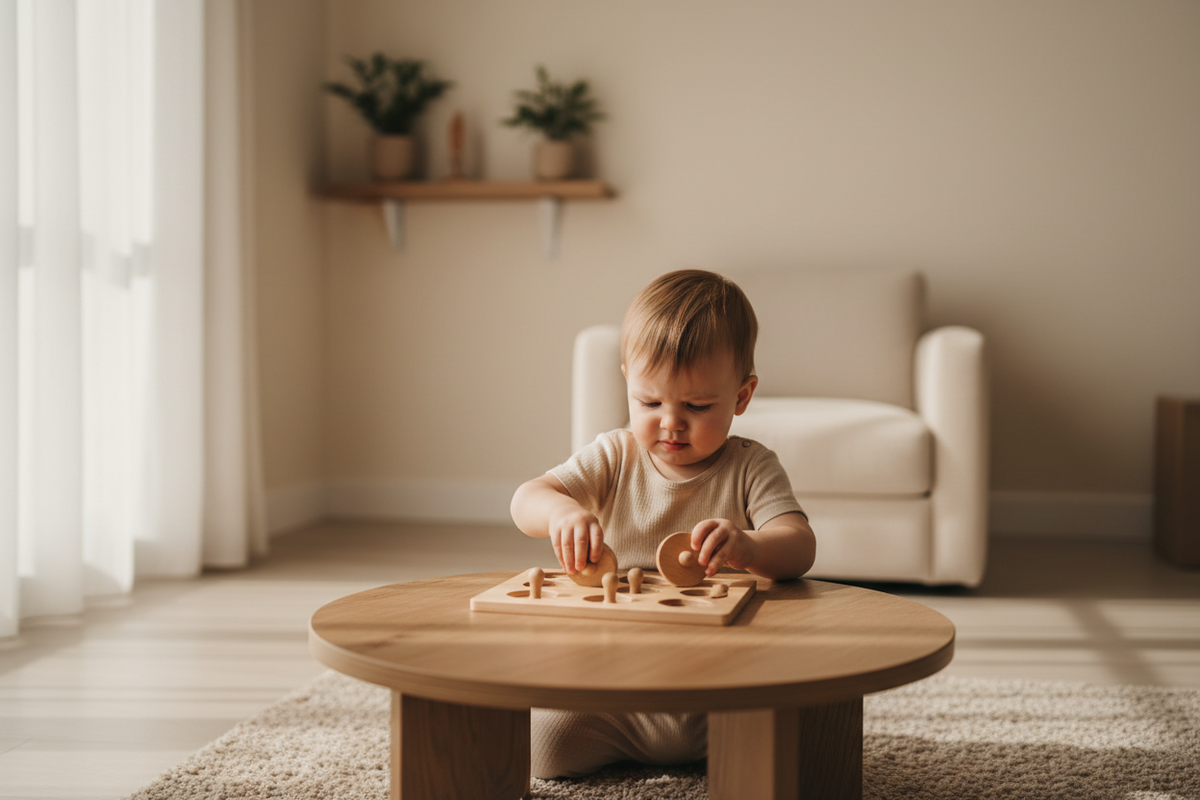
What Is Focused Play? A Calmer Way to Help Children Learn
Focused Play is a simple idea: give a child enough calm, time and possibility to stay with something that interests them. It is not a worksheet in disguise, and it does not require a parent to direct every move. It is play that begins with curiosity and has room to deepen.
A child may sort stones by size, rebuild a tower that keeps falling, invent a home for a wooden figure or explain why two shapes belong together. The activity can look ordinary. What matters is the rhythm underneath it: notice, try, adjust, create and share.
Focused Play is not the same as quiet compliance
Children do not need to sit perfectly still for play to be focused. Some children think with their hands. Some talk through every idea. Others move between building, pretending and returning to the original challenge. Focus can be active, social and full of experimentation.
The goal is not to make play look productive to an adult. The goal is to protect the moment long enough for the child to discover what comes next.
The EachKin rhythm: See, Solve, Create, Share
See
The child notices a material, pattern, problem or possibility. A parent can help by presenting one clear invitation instead of a crowded shelf.
Solve
The child tries something. It may work, wobble, break apart or create a new question. This is where persistence grows naturally, without a lecture about persistence.
Create
The child changes the activity: a copied pattern becomes an original one, a tower becomes a bridge or a sorting game becomes a story.
Share
The child explains, demonstrates or invites someone into the idea. A gentle question such as “What changed?” can create connection without taking control.
How to create a focused play moment at home
- Choose one invitation. Put out a small group of blocks, a simple puzzle or a tray of objects to sort.
- Make the first step visible. Begin a two-color pattern, place two pieces together or ask one concrete question.
- Stay close, then step back. Your calm presence can help a child begin. Once they engage, allow space.
- Wait before helping. A pause gives children time to test their own next move.
- End with curiosity. Try “Tell me about this part” instead of “What is it?”
What if the moment lasts only five minutes?
Five minutes still counts. Focus develops through repeatable experiences, not one perfect afternoon. The same materials can return tomorrow with a slightly different prompt. Familiarity often makes it easier for children to begin independently and explore more deeply.
Focused Play is less about buying more and more about creating better conditions: fewer distractions, a clear beginning, useful materials and enough trust for the child to lead.
A small step to try today
Choose six household objects that are safe for your child. Place them on a tray and ask, “How many ways could these belong together?” Then listen. The answer matters less than the thinking that follows.